Send to friendSend to friendPrinter-friendly versionPrinter-friendly version

How we work

Send to friendSend to friendPrinter-friendly versionPrinter-friendly version

Values & Principles

Given continuing health inequities, in both the developing and the developed world, COHRED promotes health research that addresses the needs of the disadvantaged.

COHRED works with countries to build the skills and systems required for such essential research.

We partner with governments, research institutions and local communities, building on expertise from around the world.

COHRED values social justice, good governance, sustainability, human rights, excellence, evidence-based action and south-south alliances in research for health.

Building capacity in countries – A long-term commitment to supporting countries, enabling them to strengthen their health research systems and institutions. The aims is to strength southern institutions (academic, research, governmental or non-governmental organisations).

Inclusion and participation - Working with decision-makers, researchers, communities and civil society – as research has more impact on equity if all key stakeholders are involved.

Partnership – Working together with like-minded organsiations in countries and at the international level, and in strategic alliances where the relationship creates a win-win for partners and COHRED.

Equity - Striving for equity in health by making it central to health research systems.

Country perspective/Voice of the south - COHRED promotes research for health at national level, and provides a ‘voice of the south’ in determining the international health research agenda. COHRED’s Board requires a mandatory representation of 2/3 of health research leaders and stakeholders from low and middle income countries.

A unique approach

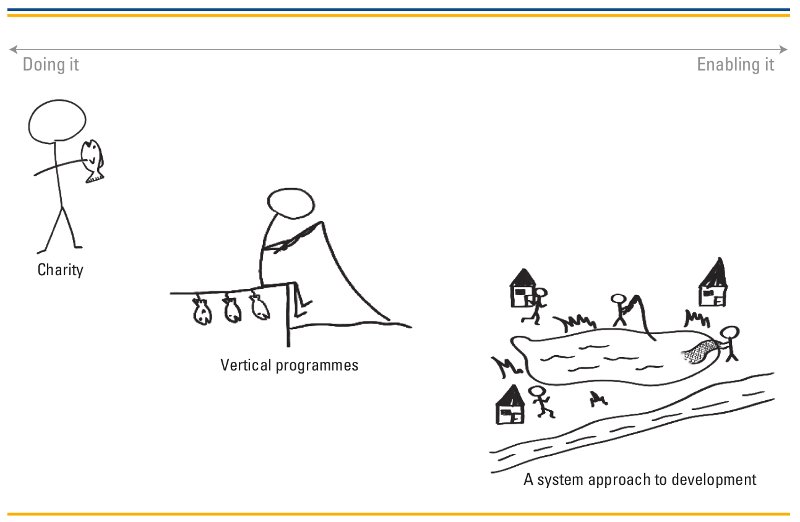
COHRED is different from other national, regional and multilateral organisations working in research for health. We engage at country level with all relevant actors concerned with research for health, including: research institutions and councils, ministries, civil society and the media.

At the core of the COHRED programme is the need to better understand the needs of low and middle income countries; and how COHRED can add value by strengthening health research systems.

COHRED adds value to national research for health by:

  • Providing support, technical expertise and tools to countries to help them strengthen their health research systems.
  • Facilitating learning and the sharing of experience between countries. And making this learning broadly available to others as global public goods.
  • Doing research together with countries aiming to improve the understanding of specific aspects of health research system strengthening.
  • Partnering with global health initiatives, development agencies and other international bodies to continually bring a focus no country needs.
  • Calling for action – based on studies and evidence – on how international players in research for health can better support country needs.


History of COHRED

2008 - Bamako Ministerial Forum

Bamako 2008 Global Minsterial Forum on Research for Health. COHRED was a co-organisaer of the meeting, with the Government of Mali, UNESCO, the World Bank, World Health Organization and Global Forum for Health Research. an important contribution by COHRED was to bring the Civil Society involvement in Research for Health into the thinking and Bamako Declaration.

2007 - Paris Declaration

COHRED's 'AHA' study on alignement and harmonization was the first to look at Paris Declaration on Aid Effectiveness from a health research perspective. It calls for better alignment of donor programmes with country needs and among donors.

2005 - Responsible Programming

This concept& was coined by COHRED in 2005 and frames in a study in 2007. It encourages global health initiatives to build research capacity strengthening as a part of their vertical activites.

2004 - COHRED extends its scope from advocacy for Essential National Health Research to become enabling organisation, specialised in health research system development. It supports countries to use health research to improve health, health equity, and development.

2004 - Mexico Conference

COHRED was a partner in organisnig this Ministerial meeting, which put health systems research on the global health agenda.

2000 - Bangkok Conference

International Conference on Health Research for Development

COHRED contribution:

  • facilitate extensive country consultations to assess national needs for health research.
  • Review health research over the past decade, draw lessons for the future
  • Agree on a framework for improved international cooperation in health research in support of country health research systems.

1993 - COHRED Established  

International Conference on Health Research for Development, Geneva

COHRED was established to promote Essential National Health Research (ENHR) as a comprehensive strategy for organising and managing national health research.

1992 International Conference on Health Research for Development (Uganda)

  • Assessed progress made with the implementation of the ENHR strategy
  • Identified possible mechanisms for international support for ENHR
  •  

1990-1993 - Task Force

Task Force on Health Research for Development

Mandate: to consider how to implement the Commission’s recommendations:

  • Further developed concept of ENHR
  • Defined 7 elements for implementing the ENHR strategy
  • Facilitated the implementation of ENHR in some 15 countries

1990 - Commission Report

Health Research: Essential Link to Equity in Development

The report highlighted the mismatch between burden of disease and investment in health research. It proposed four recommendations:

  • Implementation of Essential National Health Research (ENHR) by all countries
  • Creation of international partnerships in health research
  • Mobilizing increased funding for health research
  • Establish a forum for review and advocacy

The Commission's Report was launched at the Nobel Conference on Health Research for Development (Karolinska Institute, Sweden, 1990)

1987-1990 - Commission

Commission on Health Research for Development

Mandate: to survey health research worldwide, identify strengths and weaknesses, and propose improvements.

Contact Us Support our work